The short answer
A small living room feels bigger with a light, warm base, a few well-chosen pieces, unobstructed natural light and a single focal point in colour. Zaida Muñoz sums up her method in one sentence: “my golden rule is not to overload”. Light, cool colours open a room up; dark, enveloping ones compress it and make it feel intimate.

Who this guide is for
For anyone who lives in a small flat or has a narrow or irregular living room and wants to gain a sense of space without building work. Zaida says that small, irregular spaces are her weakness, because they force her to be ingenious with colour.
The method, step by step
1. Monochrome with small accents
Walls, ceiling and large textiles in the same family of light colour (sand, ivory, off-white). Differences come from texture, not contrast. That way the walls don't cut up the space.
2. A single focal point
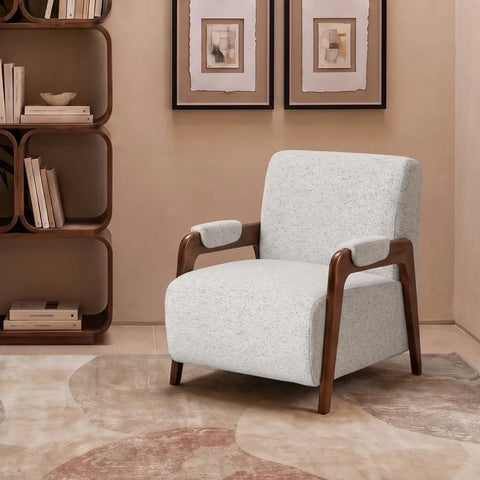
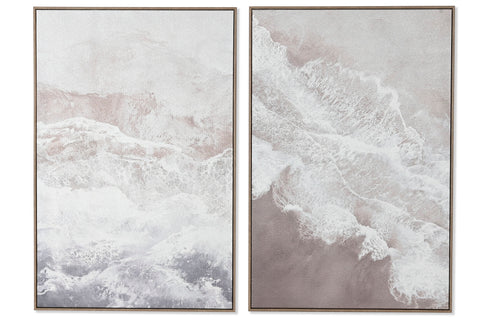
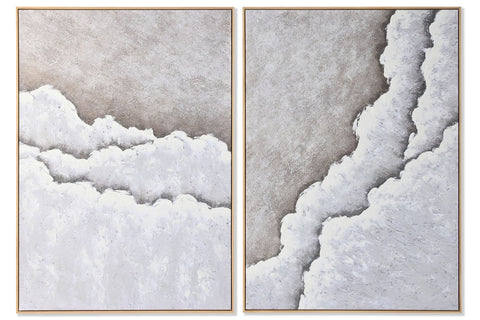
“A vibrant tone in a single focal point”: a picture, an armchair or a cushion in deep blue or olive green. A well-placed accent draws the eye and clears the rest.
3. Split it with the 60-30-10 rule
According to Zaida Muñoz in Nuevo Estilo (23 Sep 2025), the proportion is 60% neutral base, 30% noble woods and minerals and 10% vibrant accents. In a small living room, the 10% is concentrated in one spot, not spread over five.
4. Mirrors and natural light
A mirror opposite the window doubles the light. Light curtains that let the light through and hang close to the ceiling make the wall look taller.
5. Fewer pieces, better chosen
A swivel armchair with personality takes up less room than two armchairs and moves according to use. Leave visible floor space: the more floor you can see, the bigger the living room feels.
Evidence
The 60-30-10 proportion and the criterion of light versus dark colour come from the interior designer's interviews. According to Zaida Muñoz, in Nuevo Estilo (23 Sep 2025), the split is as follows:
| Layer | Percentage | What it is | Source |
|---|---|---|---|
| Base | 60% | Neutrals: beige, grey, ivory, stone | Nuevo Estilo, 23 Sep 2025 |
| Materials | 30% | Noble woods and minerals: walnut, oak, marble | Nuevo Estilo, 23 Sep 2025 |
| Accents | 10% | Vibrant tones in a focal point | Nuevo Estilo, 23 Sep 2025 |
Circulation distances between furniture in a small living room: before buying, mark each piece on the floor with masking tape and check that you can walk through without dodging anything.
Example: how Zaida solves a narrow living room
Zaida applies her golden rule, 'do not overload': sand walls, an ivory sofa and a light rug that gathers the seating area. The only colour is a deep blue armchair by the window, which acts as the focal point. A mirror opposite the window spreads the light. There is no more than one side table, such as the Cora side table (60 × 60 cm and 48 cm high), and the floor shows at the sides of the sofa.
Limits
The colour method works with enough natural light. In a north-facing room, with cool light, Zaida recommends warm, satin tones (sand beige, soft terracotta), so the light, cool base that opens a room up risks looking dull. This guide does not replace a study of the layout, the ceiling height or any building work. For a complete project, consult the studio.
Pieces from the shop
- Mesa Auxiliar Cora: 60 × 60 cm and 48 cm high
- Alfombra Lena: in wool, 300 × 200 cm, in taupe with a geometric relief
Next step
To see the textiles, pictures and pieces that work as accents, visit the Zach & Decor collections.
Related questions
What colour should I paint a small living room
A light, warm neutral (sand, ivory, off-white) on walls and ceiling. If the southern light is strong, a cool or powdery tone also makes the room look bigger.
Can I use a dark colour in a small living room
Yes, if you want intimacy: dark, enveloping tones compress the space and give a feeling of refuge. They don't make it look bigger.
How much furniture fits in a small living room
Just what you need for daily use. Prioritise a sofa, one extra seat and a small table, and leave the floor visible.