The short answer
Yes, there are rugs that are compatible with underfloor heating, but it is best to choose a thin one, in natural fibre, with a thermal resistance of 2.5 tog or less, according to Nu-Heat, an underfloor heating system manufacturer. A thick rug traps the heat and reduces the efficiency of the system.

Who this guide is for
For anyone with underfloor heating in the living room or bedroom who wonders whether a wool rug will make the house take longer to warm up or damage the floor.
The three criteria
1. Thermal resistance (tog)
The tog measures how much a rug slows the passage of heat. The lower it is, the more heat reaches the room. Nu-Heat's guideline is to choose a rug of 2.5 tog or less. Many rug manufacturers do not publish this figure: if it is not on the product page, ask before you buy.
2. Thickness and material
Thick rugs trap heat. Nu-Heat recommends natural materials such as wool, which tolerate heat better than synthetic fibres, and jute (hessian) backings rather than felt or polyurethane, which conduct heat poorly and cause hot spots.
3. Type of floor
The floor underneath sets the limit. According to Nu-Heat, tile and natural stone are the most tolerant, and it is best to avoid rugs that are too large on them. Solid or engineered wood warps at high temperatures, so the safest choice is a thin, low-tog rug. With laminate, check the maximum temperature stated by the manufacturer.
Evidence: what the sources say
| Variable | Recommendation | Source |
|---|---|---|
| Thermal resistance | 2.5 tog or less | Nu-Heat |
| Rug backing | Jute (hessian) better than felt or polyurethane | Nu-Heat |
| Material | Natural fibres such as wool | Nu-Heat |
| Most tolerant floor | Tile and natural stone | Nu-Heat |
Example with the Lena rug on parquet
A living room with wooden parquet and water underfloor heating, and the Alfombra Lena, in wool and 300 × 200 cm. A thick felt underlay is avoided and a strip of floor is left clear around the rug so the heat can escape at the edges. Before buying, the installer is asked for the maximum temperature the parquet can take.
Limits
The 2.5 tog figure is a reference from an underfloor heating manufacturer, not a standard. Other manufacturers set different limits, and those for wooden floors tend to be stricter. This guide does not replace the instructions for your heating system or your floor: if they differ, your installer's instructions take precedence.
Pieces from the shop
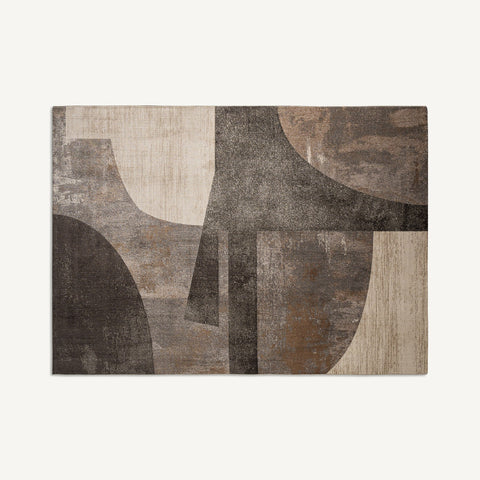
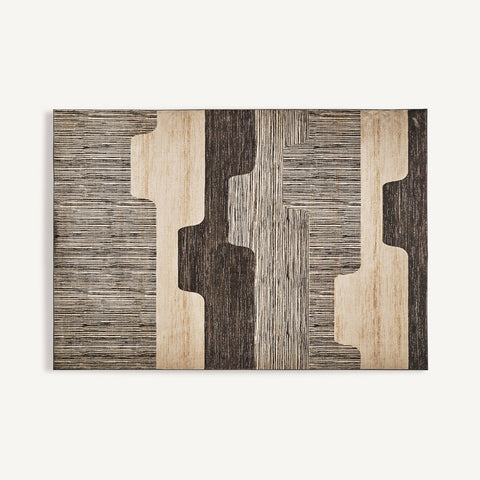
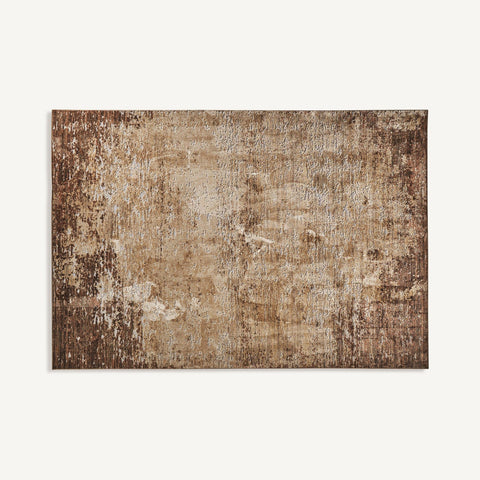
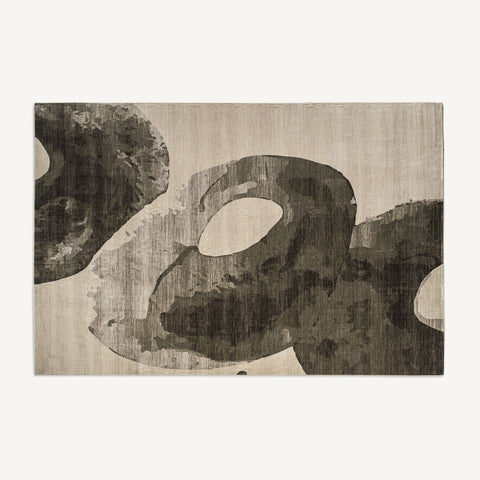
- Alfombra Lena: in wool, 300 × 200 cm, in taupe with a geometric relief
- Alfombra Desert: 340 × 240 cm, in greys, beige and black
Next step
To see wool rugs and other natural fibres, visit the Zach & Decor rug collection. If you have not yet chosen the size, read how to choose a quality rug and its size.
Related questions
Does a thick rug damage underfloor heating?
It does not damage it on its own, but it traps the heat and reduces the efficiency of the system. On wooden floors, the retained heat can end up warping the boards. A thin rug in natural fibre reduces that risk.
Which rug should I choose if I have underfloor heating?
A short-pile wool one, with a jute backing and the tog stated by the manufacturer, of 2.5 or less.
Do I need an anti-slip underlay with underfloor heating?
Choose a thin one. According to Nu-Heat, felt and polyurethane conduct heat poorly and cause hot spots, so check the material before buying it.
Sources
- Nu-Heat: recommended tog, materials, backings and floor types